

Nigeria's Heat Problem: Why Air Conditioning Is Becoming a Necessity
By Fixr Technologies ·
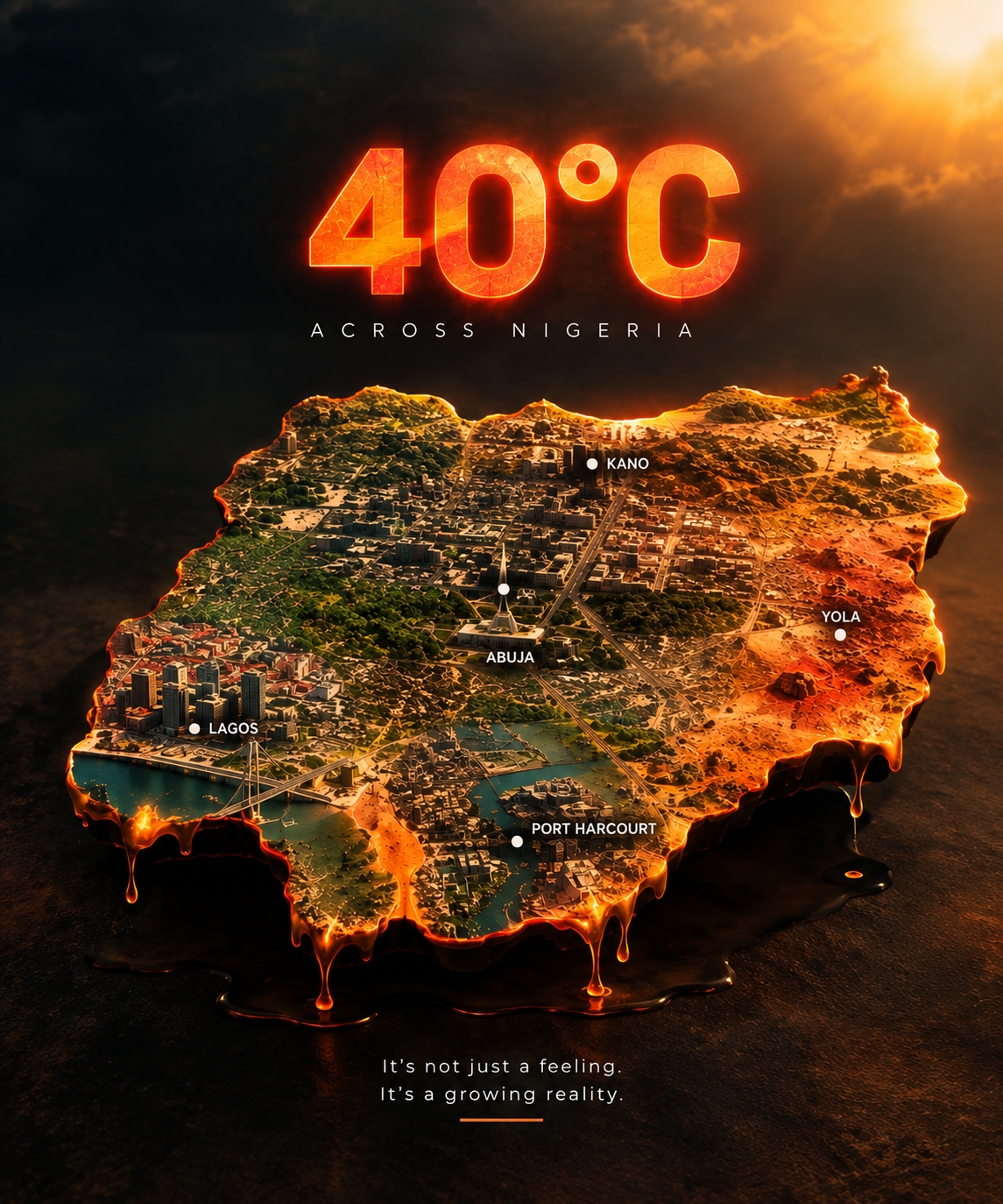
You take your bath and lie down to sleep. At the time, the weather feels cool enough, but somehow, you wake up sweating like you ran a marathon in your sleep.
If that has become a regular part of your night, you’re not imagining it.
Nigeria has always been hot, but in recent years, the heat feels different. It is more intense, lasts longer, and even the night doesn't always bring much relief.
And this has gone beyond just the feeling of discomfort. Rising temperatures in Nigeria are becoming a bigger concern, with parts of Nigeria experiencing increasingly extreme heat.
So, what is driving this increase in heat?
One major factor is global warming. Activities such as burning fossil fuels and deforestation release greenhouse gases that trap more heat in the atmosphere, contributing to the effects of climate change in Nigeria and more frequent periods of extreme heat.
But the experience of that heat can also depend on where you live.
Take Lagos, for example. As the city has grown, more natural surfaces have been replaced by buildings, roads and concrete. These surfaces absorb heat during the day and release it slowly after sunset, while less vegetation means there is less natural cooling. This creates what is known as the urban heat-island effect, contributing to higher levels of urban heat in Lagos.
In the northern parts of Nigeria, humidity can add another layer to already high temperatures. When there is more moisture in the air, sweat does not evaporate as quickly from the skin. Since evaporation helps the body release heat, the combination of heat and high humidity can make hot conditions feel even more intense and make it harder for the body to cool itself.
Put all of these together: a warming climate, growing cities, less vegetation, deforestation and high humidity, and it becomes easier to understand why staying cool can feel like a constant battle, especially during prolonged periods of extreme heat in Nigeria
What Prolonged Heat Does to the Body.
In Nigeria, “I’m sweating like a Christmas goat” is usually just banter. But when the heat refuses to let up for days, it can become more than just a joke.
Heat can do more than make you sweat. If your body cannot cool itself fast enough, prolonged exposure can become dangerous.This is where heat stress becomes a concern.
Your body is constantly working to keep its internal temperature within a safe range. When temperatures rise, sweating becomes one of its main ways of getting rid of excess heat. But prolonged heat, especially when combined with humidity, can make that cooling system less effective.
You lose water and electrolytes through sweating, which can leave you dehydrated and cause headaches, weakness, dizziness and fatigue. If the heat continues, this can develop into heat exhaustion, with symptoms such as heavy sweating, nausea, weakness and a rapid pulse.
At the most severe end is heat stroke, a medical emergency that occurs when the body's temperature regulation system becomes overwhelmed. Without prompt treatment, it can cause serious damage to the brain, heart, kidneys and other organs.
So, extreme heat is not just about feeling uncomfortable.
When your body is constantly working to stay cool, having a cooler indoor environment becomes more than a matter of comfort.
The Numbers.
The numbers are starting to make the problem harder to ignore.
In March 2026, NiMet warned that daytime temperatures across Nigeria could reach as high as 40°C, with some parts of the North and North Central expected to record temperatures between 38°C and 41°C. The agency also warned that rising humidity in some areas could increase thermal discomfort, meaning the heat can feel even more intense because the body finds it harder to cool itself through sweating.
This is not an isolated occurrence. NiMet’s 2025 State of the Climate report found that 23 Nigerian cities recorded extreme daytime temperatures of at least 40°C during the year. The North and Northeast experienced some of the most intense heat, with Yola recording 65 days above 40°C and a maximum temperature of 45°C.
The danger is not theoretical. In May 2024, Daily Trust reported that at least 200 people died in Yola, Adamawa State, during a period of intense humid heat between May 1 and 13.
What this means is simple: extreme heat is no longer something we only need to think about during an unusually hot afternoon. For many Nigerians, particularly in areas that regularly experience high temperatures, staying cool indoors is becoming increasingly important.
What can you actually do about the heat? (AC/HVAC systems or A Fan?)
A fan can make a hot room feel more comfortable, but there is a limit to what it can do. It moves air across your skin, helping sweat evaporate and giving you that temporary feeling of relief. What it does not do is remove the heat from the room.
An air conditioner works differently. It pulls warm air from the room, removes heat and moisture from it, and releases that heat outside. The result is not just more air movement, but an actual reduction in the room’s temperature.
This difference matters during periods of extreme heat. If the room itself is still hot, a fan can only do so much. An AC or properly designed HVAC system gives you greater control over the indoor environment, helping maintain a temperature that is more comfortable and easier for your body to cope with.
And if you’re going to rely on AC or HVAC in Nigeria to beat the heat, getting the right system matters. An oversized or poorly installed unit can waste energy without giving you the cooling you expect.
Fixr helps you figure out what your space actually needs, then handles the AC and HVAC installation properly. Because when the heat outside is already doing the most, your AC shouldn't be adding to the problem.
Need a Fixr engineer?
Fixr installs and maintains solar, AC, CCTV, electrical, fibre and smart home systems across Nigeria. See solar plans and prices or contact the team nearest you.