

From Overheating to Battery Failure: Common Inverter Problems Explained
By Fixr Technologies ·
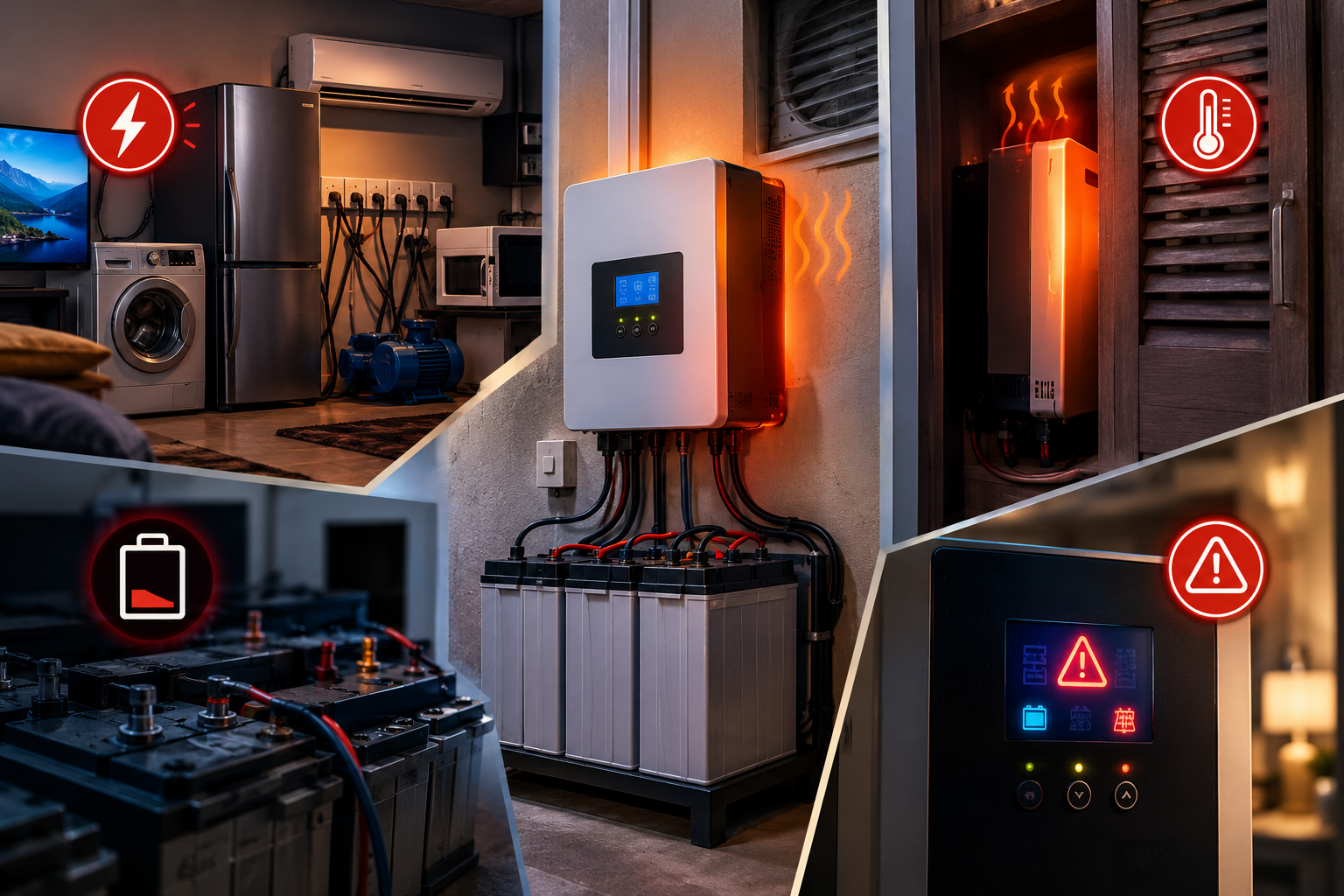
With the inconsistency of electricity supply in Nigeria, having a solar system has been a saving grace for many homes and businesses. And one of the most important parts of that setup is the inverter, which helps keep your appliances running when you need to make that switch from the grid most times in a power outage.
But while your inverter is busy keeping things running, the way you use and maintain it can make a difference in how long it lasts. Some seemingly harmless habits can put unnecessary strain on the system, affect your inverter battery lifespan, and leave you dealing with problems you could have avoided.
So, let's talk about some of the things you might be getting wrong, and answer some frequently asked questions.
1. Overloading Your Inverter
When you first installed your inverter, its capacity was likely chosen based on the appliances you needed to power. Then down the line as your power needs change, you might start connecting additional appliances without considering whether the system can handle the extra load.
So, can overloading damage an inverter? Yes, consistently pushing an inverter beyond its rated capacity can cause excessive heat, trigger overload protection, or force the system to shut down. Some appliances, such as air conditioners, refrigerators, and water pumps, also draw extra power when starting up. This extra power is known as starting surge or inrush current, and it can push an inverter beyond its limits even when the normal running load seems manageable.
If your inverter frequently displays overload warnings or shuts down when appliances come on, it may be time to reassess your inverter load capacity and maybe resize the entire system before connecting anything else.
2. Poor Ventilation and Excessive Heat
Asides overloading, where you install your inverter matters just as much as how you use it. And one of the most asked question in relation to Inverters and heat is: Why is my inverter overheating? One possible reason is poor ventilation. Placing an inverter in a cramped space like a tight cabinet, blocking its air vents, or installing it in an excessively hot area can prevent it from releasing heat properly.
But can heat damage an inverter battery? Absolutely. High temperatures can accelerate battery ageing, particularly in lead-acid inverter batteries, reducing how long they can serve you. Riello, for example, notes that a sustained 10°C rise above the recommended operating temperature can halve the service life of an inverter.
So, what is the ideal temperature for an inverter battery? For many batteries, around 20–25°C is recommended. And does an inverter need ventilation? Yes. Adequate airflow helps manage heat, although the exact installation requirements depend on the manufacturer's specifications.
If you're wondering how to prevent inverter overheating, start by checking the installation location, keeping vents clear, and ensuring the system has enough space for proper airflow.
3. Frequently Draining Your Inverter Batteries Too Deeply
When electricity supply is unreliable, it's tempting to keep using your inverter until the battery is almost completely drained, because your reason for getting it was to help keep things going during outages.
But does fully discharging an inverter battery damage it? It can, especially if it happens over and over again, and the battery isn't designed for frequent deep discharges.
Repeatedly draining a battery too far can also accelerate wear and reduce its ability to store energy over time. This is particularly important once again with lead-acid batteries, which generally last longer when they're not regularly discharged too deeply. Lithium batteries may tolerate deeper discharges, depending on their specifications and battery management system.
So, why does an inverter battery drain so fast? Sometimes, the battery is already aging or has lost capacity. In other cases, the appliances connected to the inverter are consuming more power than expected.
Now, to make your inverter battery last longer, avoid unnecessary deep discharges, manage your power consumption, and follow the manufacturer's charging and usage recommendations.
These habits can go a long way to help preserve battery performance and reduce premature replacement.
4. Ignoring Warning Signs From Your Inverter
Now that we’ve looked at some habits that could be damaging to your inverter, it is important to note that your inverter doesn't always stop working without warning. Sometimes, it starts showing signs that something isn't right, but it's easy to overlook them as long as your appliances are still getting power.
Why does my inverter keep shutting down? It could be an overloaded system, excessive heat, a low battery, or a fault that needs professional attention. Similarly, if your inverter battery drains faster than usual, the battery may have lost capacity, or your appliances may be drawing more power than before like we established earlier.
Other signs of inverter or battery problems include repeated overload alerts, unusual heating, frequent low-battery warnings, and a noticeable reduction in backup time.
But can an inverter battery fail suddenly? Yes. A weakened battery may appear to work normally under light conditions but struggle when an outage forces it to power your appliances for longer.
Rather than ignoring these common inverter problems, investigate recurring warnings early. Identifying the cause with the help of a professional, can help prevent further damage and save you from an unexpected loss of backup power.
Protecting Your Inverter and Batteries.
In summary, extending the lifespan of your inverter and batteries requires you to avoid repeatedly draining the battery too deeply, ensure proper charging, and keep your inverter well ventilated. Also, make sure your inverter capacity matches your power needs, especially when adding new appliances.
Don't ignore recurring overload warnings, excessive heat, or reduced backup time. These could indicate an issue that needs attention.
Finally, if you're unsure whether your system is properly sized or installed, Fixr can help assess your power needs, resize your inverter system, and ensure proper installation for reliable performance.
Need a Fixr engineer?
Fixr installs and maintains solar, AC, CCTV, electrical, fibre and smart home systems across Nigeria. See solar plans and prices or contact the team nearest you.